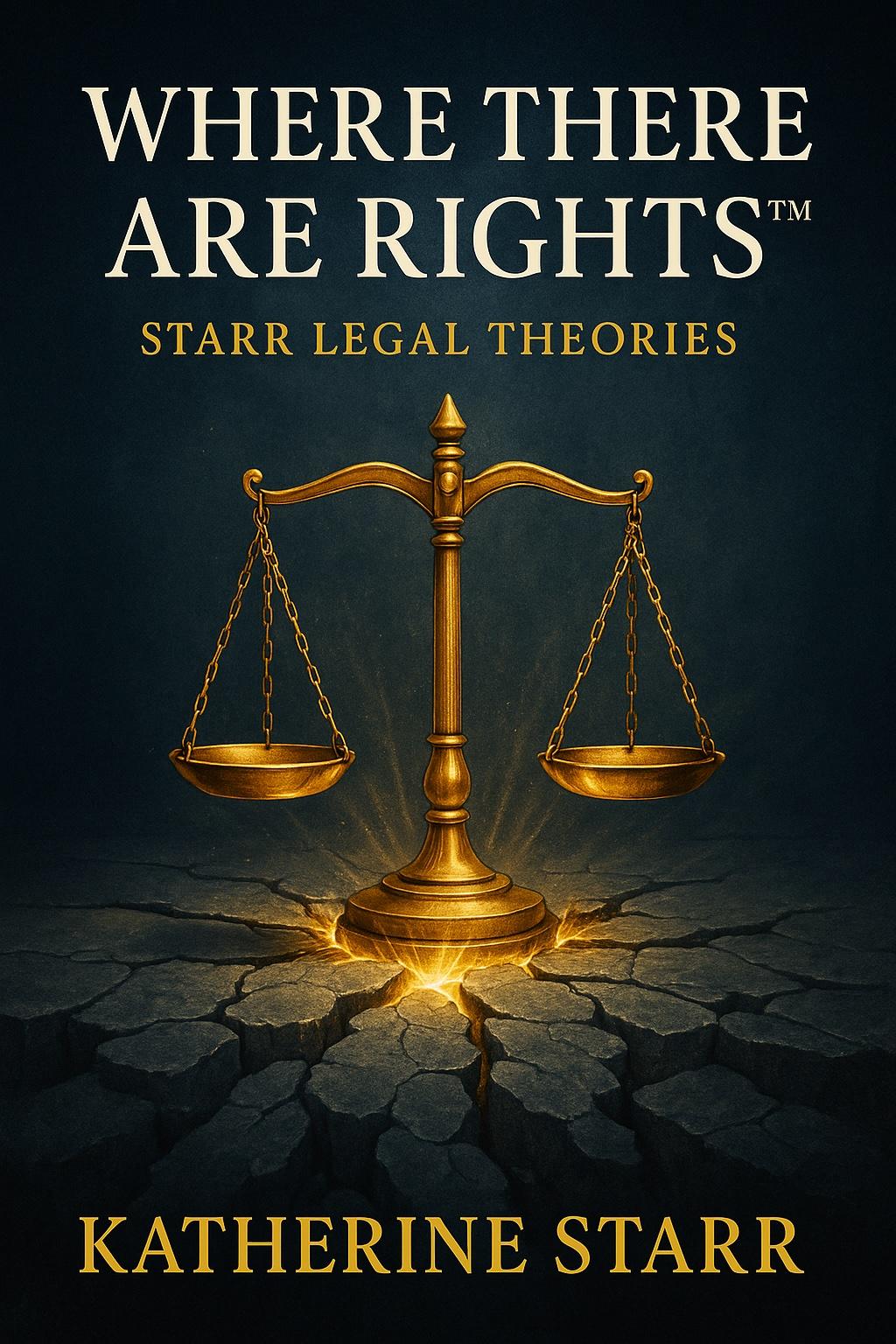
Rights are meaningful only when the systems around them make protection, access, and accountability possible.
Where There Are Rights® examines the relationship between rights, responsibility, institutions, technology, and accountability in a changing world.
The book asks what it means for rights to be meaningful in practice—particularly when the systems that shape access, communication, relationships, and protection may also shape the conditions in which harm develops.
They depend on whether people can access protection, communicate concerns, be heard, challenge power, and obtain meaningful accountability. They are also shaped by the institutions, technologies, relationships, and structures through which people live and interact.
Where There Are Rights® examines what happens when those systems fail to reflect the realities of the world around them.
Where there are rights, there must be systems capable of making those rights meaningful.
Rights, responsibility, and a changing environment
The questions raised by Where There Are Rights® extend beyond the existence of a formal rule or legal entitlement.
These questions form part of a broader examination of responsibility in institutional and digital environments.
They include:
Who can access protection?
Who holds power within the relevant system?
What risks are foreseeable?
Who is responsible for recognizing those risks?
How do institutions respond when rights are threatened?
What happens when technology changes the way people communicate, relate, or seek help?
Can a safeguard be considered meaningful if it does not address the conditions in which harm develops?
Digital Harm & Responsibility
When technology changes the conditions around rights
Technology increasingly shapes how people meet, communicate, build trust, exchange information, and gain access to one another.
It can also affect how rights are exercised, how risks become visible, how evidence is created or preserved, and how institutions respond to concerns.
Where There Are Rights® provides a foundation for examining these questions in digital environments. It asks whether existing ideas of responsibility adequately account for the systems through which relationships, access, and harm now develop.
Technology may change not only how harm occurs, but also what responsibility must examine.
The ideas developed in Where There Are Rights® extend into Katherine Starr’s original legal theories concerning digital environments, access, and foreseeable harm.
Negligent Digital Architecture®
Examines how the design and structure of digital environments may create conditions that enable foreseeable harm.
These frameworks explore how responsibility may be understood when technology is not merely a tool, but part of the environment in which relationships, access, risk, and harm develop.
Across each form of work, the inquiry remains connected:
How does power operate?
How is access created?
What risks are foreseeable?
What safeguards are meaningful?
What responsibilities do institutions and technologies carry?
What does accountability require in practice?
About Katherine Starr
Katherine Starr is an expert witness, consultant, keynote speaker, author, and legal theorist whose work focuses on sexual abuse, grooming, emotional abuse, power dynamics, institutional misconduct, and digital harm.
Her work examines how relationships, institutions, and technologies shape access, risk, prevention, and accountability.
Explore Katherine Starr’s examination of rights, responsibility, technology, and accountability.
Final sale: Returns and exchanges are not accepted, except where required by law or for a verified damaged, defective, incorrect, or undelivered order.
Digital Harm challenges the illusion that AI and tech automatically enhance user safety. Starr exposes how design choices—not just content—enable manipulation, suppression, and coercion. This legal theory reframes harm as structural, not accidental.
ISO Isn’t Safety dismantles the myth that compliance equals protection. Starr shows how ISO standards secure systems—not people—and how platforms use these certifications to mask design flaws that enable foreseeable harm.