
Expert Witness
Sexual Abuse and Institutional Misconduct Expert Witness
Katherine Starr provides expert witness analysis in matters involving sexual abuse, grooming, emotional abuse, power dynamics, adult athlete abuse, and institutional misconduct in sport and other youth-serving environments.
A two-time Olympian and experienced athlete-welfare professional, Katherine examines how relationships of authority, trust, dependency, access, organizational culture, and institutional response shape the conditions in which harm develops.

Expertise focused on the conditions in which harm develops
Sexual abuse and institutional misconduct cannot always be understood by examining individual conduct alone. The surrounding relationships, power structures, organizational culture, access, communication, reporting systems, and institutional response may also be central to understanding a matter.
Katherine’s work focuses on those conditions. She examines how grooming, emotional abuse, power dynamics, sexual abuse, and institutional misconduct may develop, continue, or remain unaddressed within sport, schools, camps, and other youth-serving environments.
Understanding abuse requires examining not only what happened, but also the relationships, power, and institutional conditions surrounding it.
Areas of Expertise
Subject-matter expertise for complex abuse and misconduct matters
Institutional misconduct
Analysis of institutional conduct, organizational responsibility, safeguarding failures, reporting structures, and responses to concerns involving abuse or misconduct.
Grooming
Analysis of grooming processes, relationship development, boundary erosion, manipulation, trust, dependency, and the conditions that may make grooming difficult to recognize.
Power dynamics
Analysis of authority, influence, dependency, access, loyalty, status, professional control, and other power relationships that may shape conduct and institutional response.
Emotional abuse
Analysis of controlling, degrading, coercive, or psychologically harmful conduct within relationships involving authority, trust, or dependency.
Sexual abuse in sport
Expertise concerning abuse within athletic programs, teams, clubs, training environments, sports organizations, and other athletic settings.
Adult athlete abuse
Analysis of abuse and misconduct involving adult athletes, including professional dependency, team hierarchy, performance pressure, career-related vulnerability, and institutional control.
Institutional response
Analysis of how organizations receive information, interpret warning signs, respond to concerns, and determine whether safeguards operate meaningfully in practice.
Relevant environments
Katherine’s work applies to matters arising in environments where authority, trust, access, performance, education, or dependency shape relationships.
- Sports programs and athletic organizations
- Schools and universities
- Camps
- Youth-serving organizations
- Training and development programs
- Institutional and community programs
- Organizations serving adult athletes
The relevant question is not only where conduct occurred, but how the environment shaped access, relationships, reporting, oversight, and institutional response.
Approach
Examining relationships, power, and institutional responsibility
Depending on the facts and scope of a matter, Katherine’s analysis may consider:
What relationships, power structures, and institutional conditions surrounded the conduct?
- How authority and dependency shaped the relationship
- How trust was developed and used
- How boundaries were tested, crossed, or eroded
- How grooming may have operated over time
- How emotional abuse may affect recognition, disclosure, and response
- How organizational culture influenced conduct and accountability
- How access and communication created opportunities for harm
- What information may have been available to the institution
- How warning signs were received and addressed
- Whether formal safeguards operated meaningfully in practice
This subject-matter analysis provides context for the issues presented in a legal matter. It does not replace the legal judgment of counsel, the court, or the fact finder.
Digital Harm and Institutional Responsibility
Technology as an extension of the analysis
The connection to digital harm developed through the work itself.
Across matters involving abuse and institutional misconduct, Katherine has observed recurring ways technology influences access, communication, relationships, evidence, reporting, and institutional response.
That observation led to a broader inquiry: how do digital environments shape the conditions in which grooming, abuse, misconduct, or concealment develop?
Technology may affect how people meet, build trust, communicate, gain access, preserve information, and respond to warning signs. Meaningful prevention therefore requires examining whether digital systems and communication practices address actual conditions of risk—not merely whether a general technology policy exists.
Katherine’s original legal theories extend this analysis into digital environments, including:
These frameworks are explored in greater detail on the Digital Harm & Prevention page.
Questions an expert perspective may help contextualize
Depending on the facts and scope of the matter, expert analysis may help provide context for questions such as:
Relationships and power
How did authority, status, trust, dependency, or professional control shape the relationship?
Grooming and boundary erosion
How may grooming develop over time, and how can boundary violations become normalized or obscured?
Emotional abuse and coercion
How may controlling, degrading, or psychologically harmful conduct affect recognition, disclosure, resistance, or departure?
Institutional conditions
What organizational structures, cultures, practices, or access arrangements surrounded the conduct?
Warning signs and response
What information may have been available, how was it received, and how did the institution respond?
Sport and athlete environments
How might athletic culture, performance pressure, team hierarchy, professional dependency, or career control affect the circumstances?
Digital access and communication
How did digital platforms, messaging, access permissions, or online relationships affect the development, continuation, or concealment of harm?

A perspective informed by experience, research, and applied work
Katherine Starr is a two-time Olympian for Great Britain who competed at the 1984 and 1988 Olympic Games. She won two silver medals at the 1986 Commonwealth Games and was a 14-time All-American and three-time NCAA team champion at the University of Texas.
Her work in athlete welfare and institutional prevention has included the development of athlete protection programs, reporting structures, codes of conduct, oversight systems, and prevention policies.
Katherine has provided expert consultation and testimony in more than thirty legal matters involving issues including Title IX, sexual abuse, grooming, power-based misconduct, institutional responsibility, and systemic negligence. She has worked with plaintiff and defense counsel and has worked for the U.S. Department of Justice in connection with a Title IX matter.
Her books, published writing, and original legal theories extend this work into broader questions of rights, technology, institutional responsibility, and accountability.
Books and writing related to the work
Katherine’s books and writing examine abuse, rights, institutional responsibility, power, digital harm, prevention, and accountability.

Rescue Me
A memoir of elite sport, abuse, survival, and the path toward accountability.
Explore Rescue Me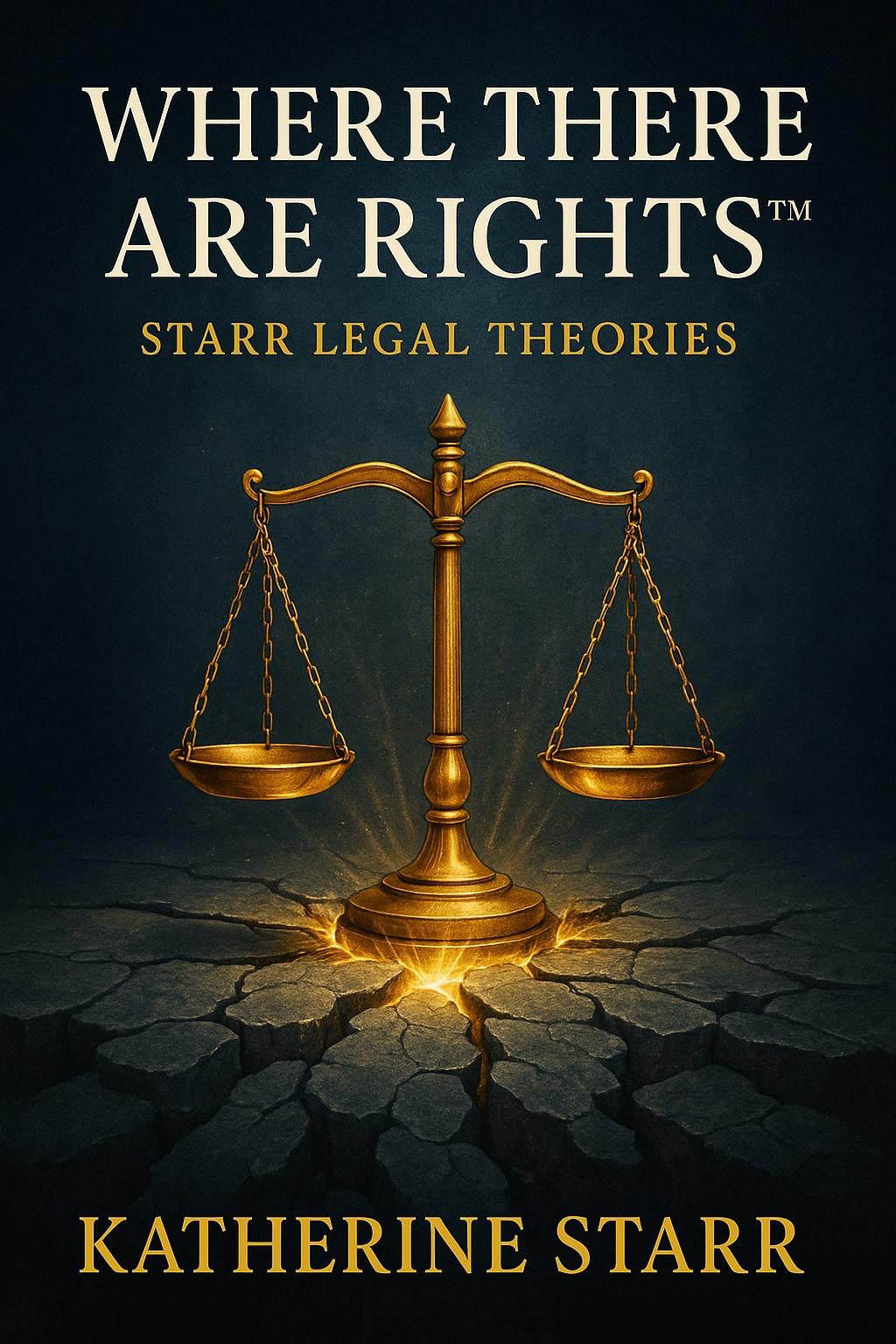
Where There Are Rights®
A work examining rights, responsibility, technology, institutional systems, and accountability in a changing environment.
Explore Where There Are Rights®Writing
Explore articles and commentary on sexual abuse, grooming, institutional misconduct, sport, digital harm, prevention, and legal theory.
Read the Writing
Discuss an expert witness matter
If you are evaluating an expert for a matter involving sexual abuse, grooming, emotional abuse, power dynamics, adult athlete abuse, or institutional misconduct, submit an inquiry to discuss subject-matter fit, availability, scope, and timing.
Please provide a brief description of the matter and do not submit confidential, privileged, or highly sensitive materials through the initial inquiry form.